

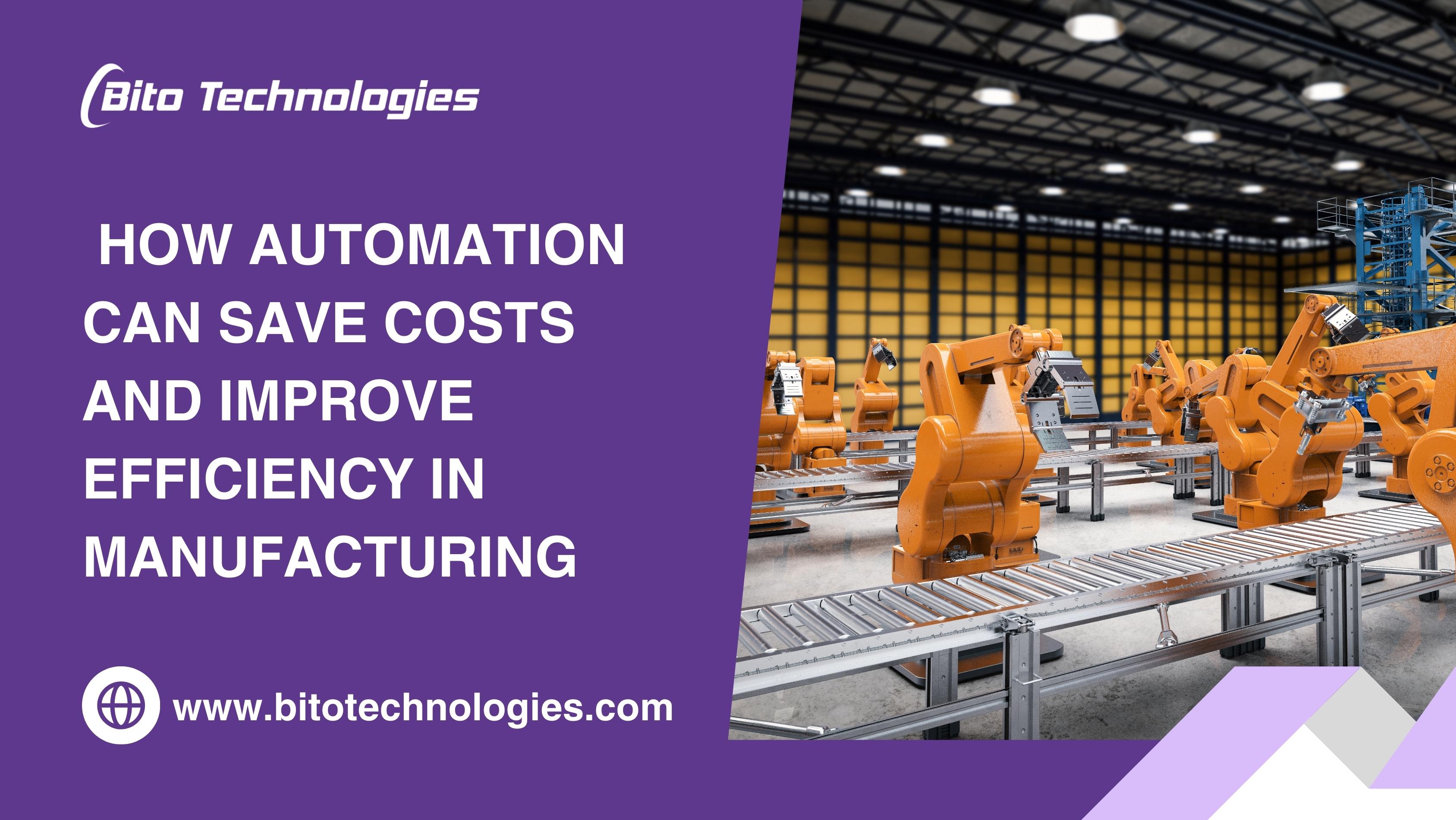
How Automation Can Save Costs and Improve Efficiency in Manufacturing
The manufacturing sector is undergoing rapid transformation
as companies strive to reduce costs, increase productivity, and maintain
consistent quality. One of the most impactful changes in recent years has been
the adoption of automation. Whether through automated workflows,
digitized processes, or technology-driven monitoring systems, automation is
helping manufacturers operate smarter and more efficiently than ever before.
These solutions help businesses optimize their operations, reduce errors, and
respond faster to changing requirements. By integrating automation across
departments, from procurement to production and from inventory to dispatch - manufacturers
can build more reliable, efficient, and cost-effective workflows.
1. Reducing Manual Errors and Improving Accuracy
Manual processes are often slow, repetitive, and prone to
mistakes. Even small errors in tracking materials, entering data, or managing
production can lead to delays, cost overruns, or quality issues. Automation
helps eliminate these problems by standardizing processes and ensuring that
every action follows a consistent workflow. When tasks such as data entry,
production scheduling, and quality checks are automated, the chances of human
error decrease significantly. This improves accuracy across operations and
ensures that production remains predictable and controlled.
2. Lowering Operational Costs
One of the most important benefits of automation is cost
reduction. When repetitive tasks are automated, manufacturers can minimize
labor-intensive work, reduce waste, and streamline resource utilization.
Automated systems help businesses track raw materials, monitor inventory
levels, and manage production without relying on manual and time-consuming
methods. This prevents overstocking, reduces material wastage, and ensures that
machines and labor resources are used efficiently. Over time, these improvements
lead to significant cost savings that directly improve profitability.
3. Enhancing Production Speed and Output
Automation enables manufacturers to achieve faster
production cycles and higher output. Automated workflows reduce downtime, speed
up routine operations, and ensure that processes move smoothly from one stage
to the next. This helps companies meet tight deadlines, handle bulk orders, and
manage peak production periods without compromising on quality. By reducing the
dependence on manual intervention, businesses can maintain continuous
operations and respond quickly to market demands.
4. Improving Quality Control
Quality is a critical factor in manufacturing, and
automation plays a major role in maintaining consistency. Automated systems
help track production parameters, monitor quality checkpoints, and record
real-time data. This makes it easier to identify issues early, maintain
compliance, and ensure that final products meet the required standards. Instead
of relying solely on manual inspections, automated monitoring improves
reliability and reduces the chances of defective products reaching customers.
5. Better Workflow Visibility and Real-Time Monitoring
Automation gives manufacturers better visibility into their
operations. With digital dashboards, real-time tracking, and automated
notifications, businesses can monitor production progress, inventory movement,
and order status without manual checking. This level of visibility allows
decision-makers to respond faster to issues, optimize workloads, and plan
production more effectively. When teams have access to accurate data at the
right time, productivity naturally improves and delays reduce.
6. Streamlining Inventory and Supply Chain Management
Inventory management is one of the most challenging areas
for manufacturers. Manual tracking can lead to stockouts, excess inventory, and
disruptions in production. Automation helps businesses maintain accurate
inventory records, track raw materials, and manage order requirements
efficiently. Automated alerts ensure that materials are available when needed,
reducing downtime and preventing unnecessary purchases. This also improves
coordination with suppliers and keeps the entire supply chain synchronized.
7. Supporting Predictive Planning and Maintenance
Manufacturers often face downtime due to sudden machine
failures or unexpected disruptions. Automated systems that track usage data and
production patterns help businesses identify potential issues before they
escalate. While full predictive maintenance may require advanced tools, even
basic automated monitoring adds value by helping companies plan maintenance
schedules, improve asset utilization, and reduce unplanned interruptions.
Better planning means smoother production and fewer costly breakdowns.
8. Enabling Smarter Decision-Making
When businesses rely on manual records or outdated systems,
decision-making becomes slow and uncertain. Automation provides structured
data, faster reporting, and analytics that help leaders make informed
decisions. Whether it’s production planning, inventory forecasting, or workflow
optimization, data-driven insights ensure that companies take the right actions
at the right time. This enhances efficiency across departments and keeps the
business aligned with operational and financial goals.
How Bito Technologies Can Help
Bito Technologies supports manufacturing businesses by
providing automation-ready digital solutions such as ERP systems, custom
software, and web and mobile applications. Their systems are designed to
streamline production workflows, improve data accuracy, enhance inventory
tracking, and support real-time monitoring, helping manufacturers reduce manual
work and operate more efficiently. With industry-focused software capabilities
and end-to-end implementation support, Bito Technologies enables businesses to
bring automation into their processes in a practical and cost-effective way.
To learn more about how Bito Technologies can help automate
your manufacturing operations, visit: https://bitotechnologies.com/